


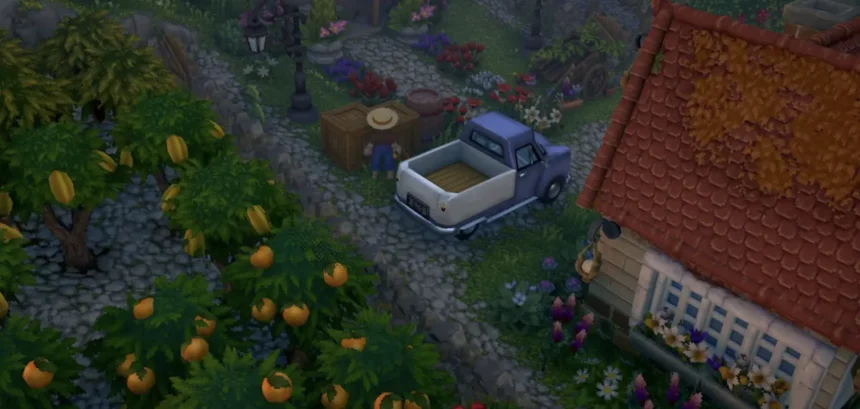
- The game features decorative items related to massive structures on the island, adding aesthetic and functional value to the player’s surroundings.
- Maps with clear labels are available to help players navigate Luma Island’s diverse biomes, ensuring better resource and objective tracking.
- Fishing spots are scattered around Luma Island, each harboring different types of catches vital for progression and upgrades.
- Understanding the full arsenal of tools is key to advancing. Let’s dive into the specific tools available and their uses.
- Tools form the backbone of interaction in Luma Island. Players rely on them to gather resources, battle foes, and solve environmental puzzles that block progress. You begin with Copper-tier tools at Level 1, which can be strengthened over time. While most tools upgrade through several levels, some utility items, like the Bug Net and Watering Can, are fixed in function and cannot be improved. Each upgradable tool can progress through five levels within a tier. Upon reaching maximum level in that tier, players advance to the next one—culminating in the most powerful tools the game offers. Notably, although there’s data hinting at a Tin tier, it’s inaccessible during gameplay.
- The primary tools and their purposes are as follows: Tool Type Function Copper Iron Moonstone Volcanic Axe Used for chopping trees, plants, and shrubs. Fishing Rod Ideal for fishing and retrieving treasures from water bodies. Hoe Used for hoeing soil, weeding, and harvesting crops efficiently. Pickaxe Breaks stone, ore, and gemstones with ease. Whip Defensive against creatures and ghosts; valuable inside temples.
- There are additional vital tools worth noting that provide specialized functions: Tool Function Image Bug Net Catches bugs, floating Lumas, and similar objects. Watering Can Used exclusively to water plants and crops.
- Tools have a base damage rating of 100, which increases with each upgrade. Different areas in the game assign HP values to objects and enemies, creating a dynamic challenge. For example, a tree on the Farm Area possesses 700 HP, while the same tree in the Forest Area boasts 1200 HP, requiring more precise upgrades and strategy to overcome. This damage and HP scaling ensure players need to continually upgrade and adapt their tools based on their location.
Luma Island challenges players to master a variety of tools necessary for survival, resource gathering, and combat. This critical toolset not only empowers exploration but also ensures players can tackle the game’s diverse environments efficiently.
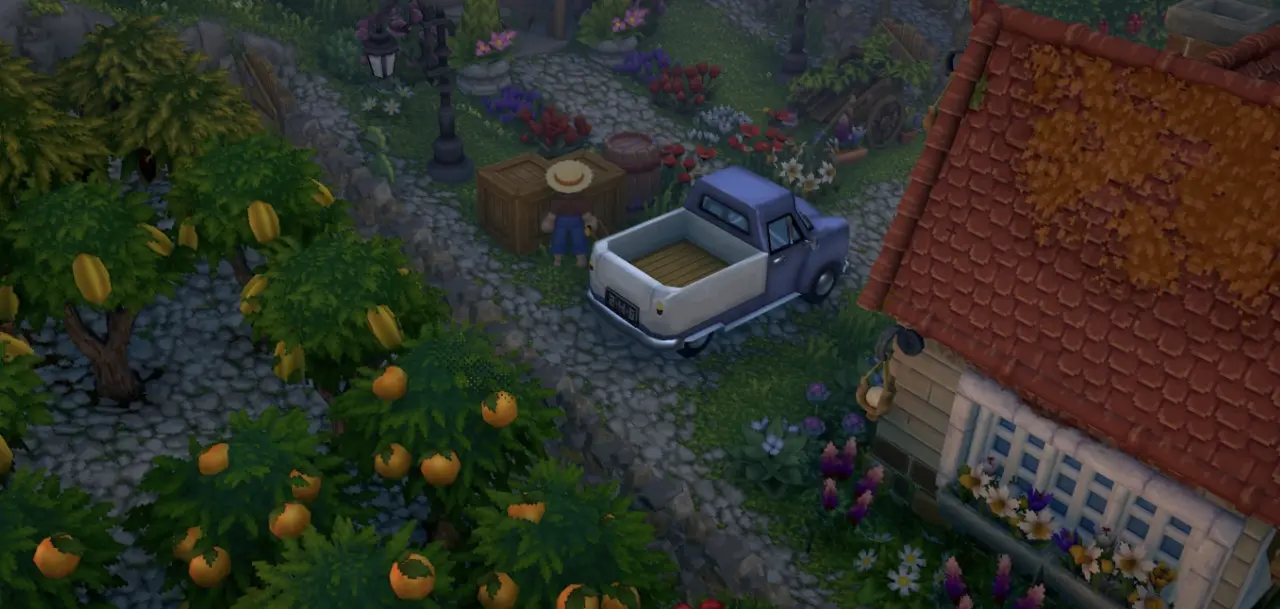
The game features decorative items related to massive structures on the island, adding aesthetic and functional value to the player’s surroundings.
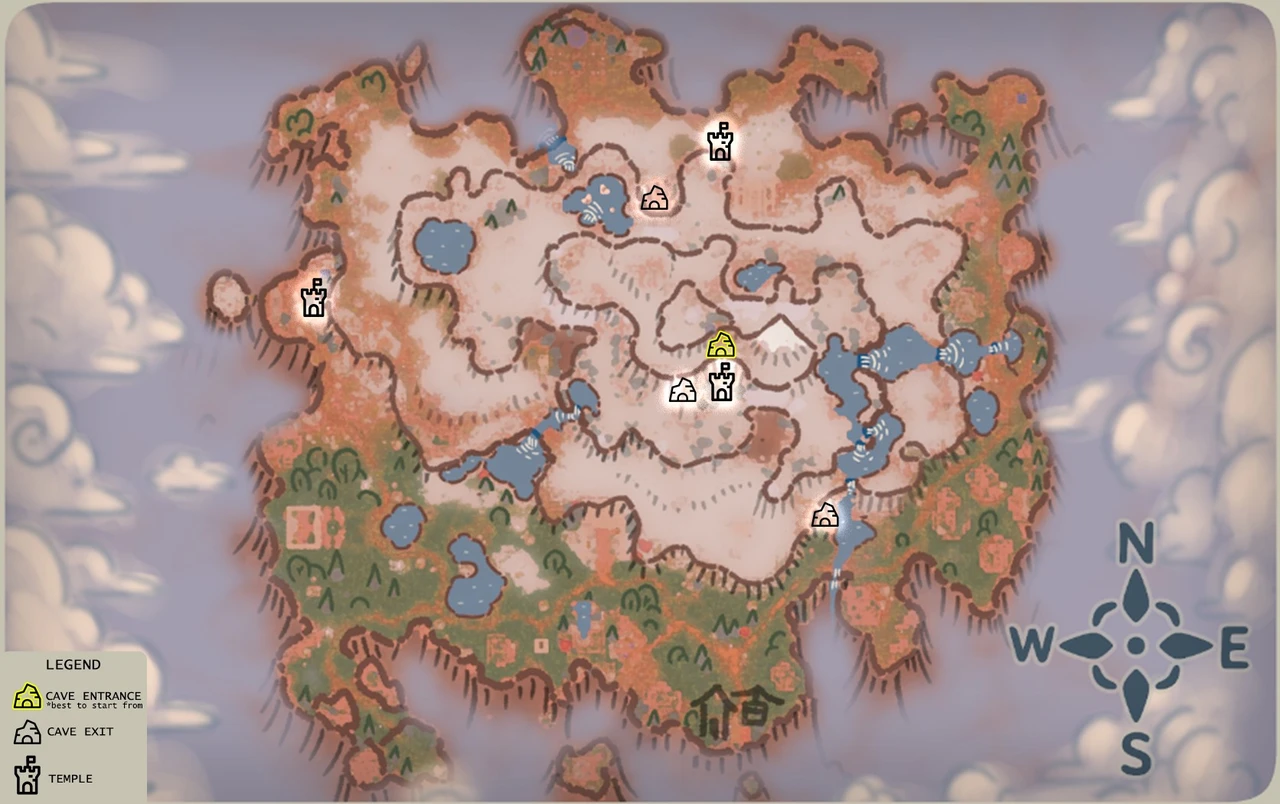
Maps with clear labels are available to help players navigate Luma Island’s diverse biomes, ensuring better resource and objective tracking.

Fishing spots are scattered around Luma Island, each harboring different types of catches vital for progression and upgrades.
Understanding the full arsenal of tools is key to advancing. Let’s dive into the specific tools available and their uses.
Tools form the backbone of interaction in Luma Island. Players rely on them to gather resources, battle foes, and solve environmental puzzles that block progress. You begin with Copper-tier tools at Level 1, which can be strengthened over time. While most tools upgrade through several levels, some utility items, like the Bug Net and Watering Can, are fixed in function and cannot be improved. Each upgradable tool can progress through five levels within a tier. Upon reaching maximum level in that tier, players advance to the next one—culminating in the most powerful tools the game offers. Notably, although there’s data hinting at a Tin tier, it’s inaccessible during gameplay.
Tools are essential items in Luma Island, serving as the primary means for gathering materials, fighting enemies, solving puzzles, and progressing through the game. Each tool serves a specific purpose to aid the player in their journey.
Players start with Copper-tier tools at Level 1 auto. While most tools can be improved, certain utility items, such as the Bug Net and the Watering Can – cannot be upgraded. These serve specialized purposes that remain constant throughout the game.
Each Upgradable tool can be improved up to Level 5 auto within their tier, meaning they can be enhanced a total of four times before reaching their tier’s maximum. Once a tool reaches its max level, players can progress to the next tier and continue upgrading until they reach the highest tier of tools available in the game.
Although a Tin tier is referenced in the game’s files, it is not accessible to players.
The primary tools and their purposes are as follows: Tool Type Function Copper Iron Moonstone Volcanic Axe Used for chopping trees, plants, and shrubs. Fishing Rod Ideal for fishing and retrieving treasures from water bodies. Hoe Used for hoeing soil, weeding, and harvesting crops efficiently. Pickaxe Breaks stone, ore, and gemstones with ease. Whip Defensive against creatures and ghosts; valuable inside temples.
| Tool Type | Use | Copper | Iron | Moonstone | Volcanic |
|---|---|---|---|---|---|
| Axe | Chopping trees, plants, and shrubs | ||||
| Fishing Rod | Fishing and retrieving treasures | ||||
| Hoe | Hoeing, weeding, and harvesting crops | ||||
| Pickaxe | Cutting stone, ore, and gemstones | ||||
| Whip | Defend against pesky creatures, ghosts; generally useful in temples |
There are additional vital tools worth noting that provide specialized functions: Tool Function Image Bug Net Catches bugs, floating Lumas, and similar objects. Watering Can Used exclusively to water plants and crops.
| Tool | Use | Image |
|---|---|---|
| Bug Net | Catch bugs, Lumas, and other floating things | |
| Watering Can | Water crops and plants |
Tools have a base damage rating of 100, which increases with each upgrade. Different areas in the game assign HP values to objects and enemies, creating a dynamic challenge. For example, a tree on the Farm Area possesses 700 HP, while the same tree in the Forest Area boasts 1200 HP, requiring more precise upgrades and strategy to overcome. This damage and HP scaling ensure players need to continually upgrade and adapt their tools based on their location.
Tools in Luma Island have a base damage of 100, which increases as they are upgraded. Objects and enemies in the game are assigned specific HP values depending on the area they are located in. For example, a tree in the Farm Area has 700 HP, while a tree in the Forest Area has 1200 HP. This scaling ensures a consistent challenge as players progress through different zones.
There’s a direct relationship between tool tier, level, and the hits required to break objects or defeat enemies. Level 1 tools in the correct tier uniformly need seven hits to destroy objects or enemies within their corresponding area, setting a consistent difficulty baseline.
As an example:
- A Level 1 Copper Axe deals 100 damage per hit, taking exactly 7 hits to fell a tree on the Farm Area with 700 HP.
- Upgrading to an Iron Axe significantly improves damage, allowing the same farm tree to be chopped down in just 2 hits.
- However, in the Forest Area trees have 1200 HP, meaning a Level 1 Iron Axe will require 7 hits, reflecting the higher durability of objects in tougher zones.
This scaling extends to enemies as well, with farm spiders having 700 HP and requiring 7 hits from a Level 1 Copper Whip. Enemies in harder zones have elevated HP values, demanding upgraded tools for efficient combat.
The scaling system also applies to enemies like spiders. For example, the Farm Spider, with 700 HP, takes 7 hits to defeat using a Level 1 Copper Whip, which matches its 100 base damage per hit. Similarly, spiders in tougher areas with higher HP require more hits unless the tool or weapon tier is upgraded and matches the Area.
Credit for this detailed breakdown of Luma Island’s tools and their mechanics goes to HurkerFFG, whose expertise sheds light on the game’s core systems.