The last quarter of the year has always been one of the most competitive periods in gaming. With multiple blockbuster releases often launching within weeks of each other, even strong titles can struggle to gain early visibility. Hitman 2 found itself caught in exactly this situation, releasing alongside several major franchises and quietly slipping under the radar despite positive critical reception.
Upon launch, Hitman 2 debuted lower than expected in retail sales charts, signaling a slower start compared to earlier entries in the franchise. Physical sales were significantly lower than those of Hitman: Absolution, the last mainline entry to receive a traditional boxed release. The episodic structure of the previous reboot allowed interest to build gradually over time, while Hitman 2 entered the market as a complete package — making its early numbers appear underwhelming by comparison.
However, a slow launch does not necessarily mean long-term failure. IO Interactive had already committed to ongoing post-launch content, including expansion packs and a season pass model, indicating long-term support rather than a short-lived product cycle.
Why The Hitman Formula Still Works
At its core, the Hitman franchise is built around one of the most refined stealth-assassination systems in gaming. Players are rewarded not simply for eliminating targets, but for doing so in creative, discreet, and efficient ways. The goal is not chaos — it is control. Perfect execution means leaving no trace, raising no suspicion, and manipulating environments to create fatal “accidents.”
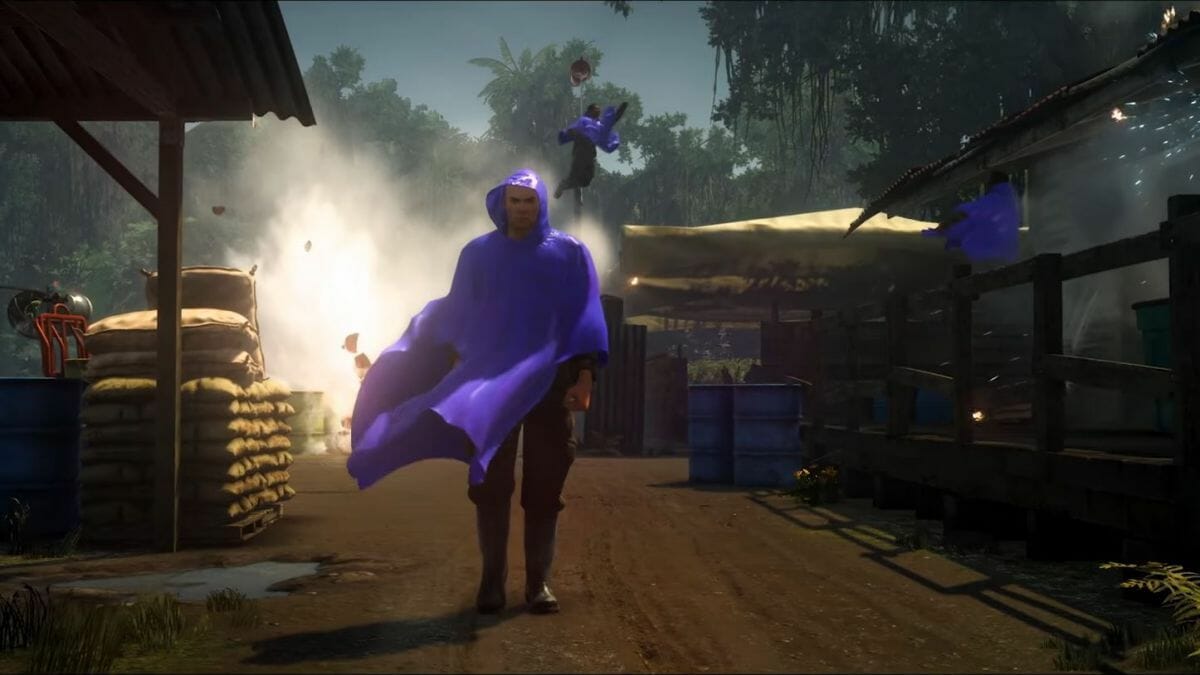
The rebooted Hitman formula emphasizes player freedom. Large, open-ended levels allow for multiple paths, disguises, tools, and environmental interactions, making each mission feel more like a puzzle than a traditional action sequence. The more players experiment, the more opportunities they uncover — encouraging replayability through unlockable gear, new starting locations, and escalating challenges.
One of the franchise’s standout innovations is the “Elusive Target” system, which introduces limited-time missions that disappear permanently if failed. This mechanic adds real-world pressure to in-game decisions, creating tension and encouraging careful planning.
By the time Hitman 2 launched, the foundation laid by the first reboot had already been finely tuned. That raised an important question: how do you improve on something that already feels complete?
What Hitman 2 Brings To The Table
Rather than reinventing the formula, Hitman 2 focuses on refinement and expansion. Visual realism and environmental awareness were improved, allowing non-playable characters to notice suspicious behavior through mirrors, windows, and reflections — forcing players to think more carefully about positioning and line-of-sight.
Security systems also play a more prominent role. Surveillance cameras, guard reactions, and evidence systems now add an extra layer of risk to careless movement. Mistakes are more easily punished, making clean executions more rewarding and tense.
The game also expands map variety and introduces new multiplayer and cooperative modes, allowing players to experience assassination challenges in competitive or shared environments. Sniper-based missions were expanded into full solo and multiplayer experiences, giving players new ways to engage with the game’s systems.
While these changes may seem subtle on the surface, they significantly increase mission depth and replay potential — reinforcing the franchise’s core strengths rather than diluting them.
Can Hitman 2 Build Long-Term Success?
Despite its quieter launch, Hitman 2 entered a market primed for long-term growth. Price reductions, bundled editions, and ongoing content updates have helped broaden its reach. Additional missions, seasonal challenges, and new elusive targets continue to give players reasons to return.
Long-term support has always been central to the rebooted Hitman model. The original reboot benefited from consistent updates and new content, gradually building a dedicated player base. There is strong potential for Hitman 2 to follow the same trajectory — especially if IO Interactive continues expanding its world with new missions and refinements.
Whether it ultimately surpasses its predecessor will depend on sustained player engagement and continued development support. However, the foundation is already in place. If treated as a long-term platform rather than a one-time release, Hitman 2 has every chance to grow into one of the franchise’s strongest entries.