
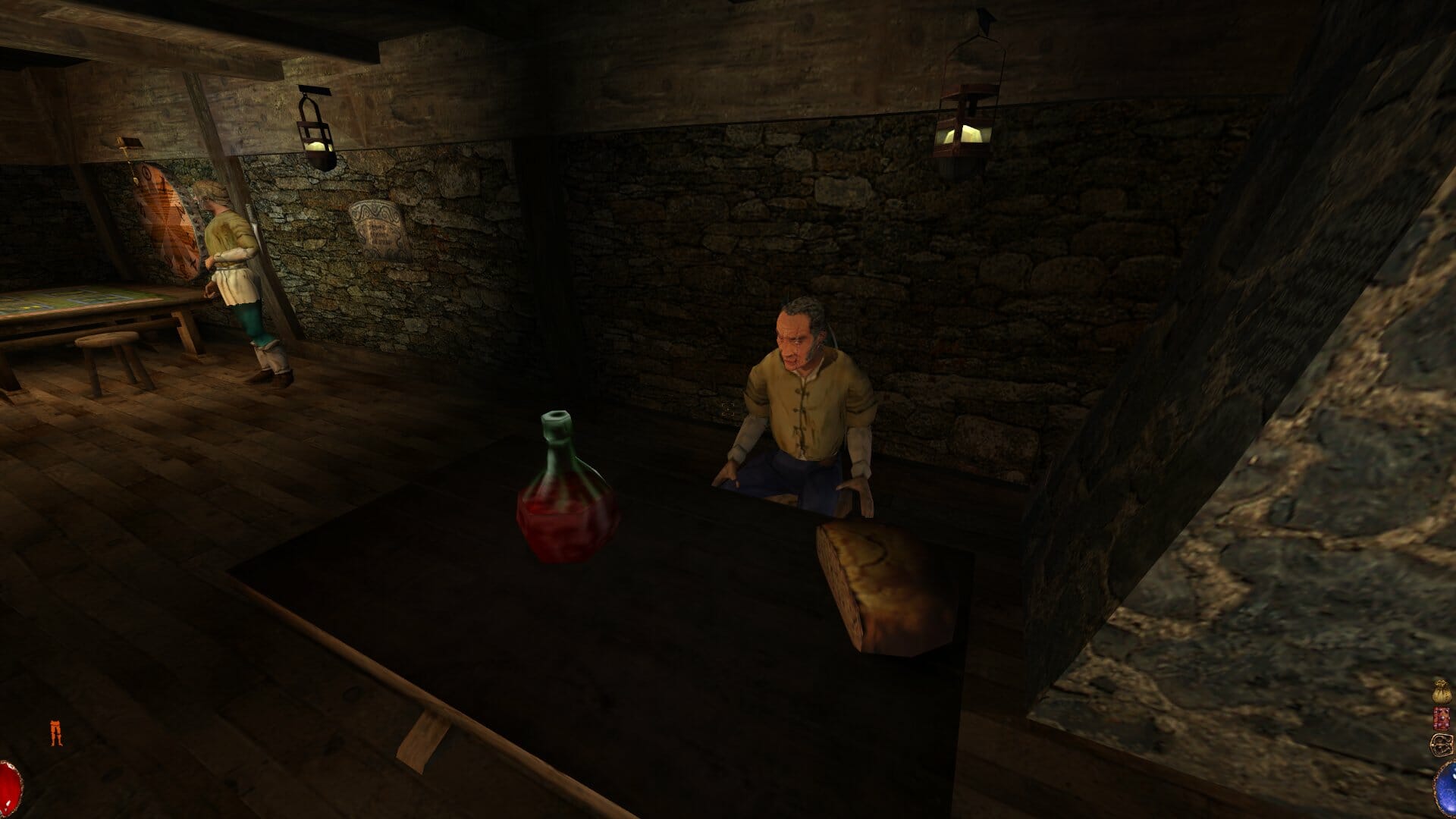
Horror games are built on tension. Every hallway, shadow, and sound cue exists to make players feel uncertain, vulnerable, and constantly under threat. Yet some of the most powerful moments in horror games are not the ones filled with monsters and gunfire — they are the moments of silence. The safe room represents that silence. It is the calm before the next emotional storm.
The idea of the safe room is most famously associated with the Resident Evil series. While the franchise is often remembered for zombies, mutated creatures, and frantic combat, its emotional rhythm is defined by something far quieter. The first safe room in Resident Evil is nothing more than a cramped storage space tucked beneath a staircase. It is dimly lit, isolated, and modest, yet it immediately feels different from the corridors outside. This tiny space communicates safety not through luxury, but through contrast.
Inside these rooms, players find storage chests, small supplies, and — most importantly — the iconic typewriter used to save progress. In a game where a single mistake can cost hours of progress, the ability to save creates more than mechanical relief. It creates emotional security. The player can finally breathe. The horror pauses, not because the danger has vanished, but because the game allows a brief moment of control.
Why Safe Rooms Matter
Safe rooms are not just decorative spaces — they are structural tools that shape how fear is experienced. Horror relies on pacing. Without moments of relief, tension becomes exhausting and eventually loses its impact. Safe rooms introduce deliberate pauses in the emotional flow, ensuring that fear remains sharp rather than overwhelming.
Independent game developer Dillon Rogers, who curates notable safe spaces across many games, describes them as critical emotional anchors. He argues that truly effective horror requires precise control over atmosphere, pacing, and release. Safe rooms provide that release. They function as emotional checkpoints where players can reorganize their thoughts, reassess their resources, and mentally prepare for what comes next.
These spaces also serve as save points — literal markers of progress — which amplifies their psychological importance. In games like Resident Evil, knowing that your progress is secure makes the danger outside feel more real. You are not just risking your character’s life — you are risking your own time, effort, and emotional investment.
Safe Rooms Beyond Survival Horror
While safe rooms are most associated with survival-horror, their design principles extend far beyond the genre. Games such as Dark Souls and S.T.A.L.K.E.R. are not traditionally classified as horror titles, yet they use similar mechanics to create fear and relief. Bonfires in Dark Souls, for example, function in much the same way as safe rooms. They provide a point of safety, healing, and progression while reinforcing the constant danger beyond their glow.
These areas act as emotional sanctuaries — quiet places where players reflect, plan, and momentarily regain confidence. They are not just resting spots, but psychological reset buttons. The contrast between safety and danger sharpens the fear players feel when they step back into hostile territory.
Pacing, Tension, and Emotional Control
Effective horror depends on balance. If a game constantly pushes fear without relief, players grow numb to it. If the game is too gentle, it becomes boring. Safe rooms help developers maintain that balance.
Designers carefully space resources, enemies, and checkpoints so that players are always aware of their vulnerability. The knowledge that the next safe room may be far away creates anxiety long before any enemy appears. Players begin to fear their own limitations — their low ammo count, limited healing items, and fragile survival chances. This internal fear often becomes stronger than any monster on screen.
Safe rooms also serve a dramatic function within a game’s narrative structure. They become symbols of hope. Each safe room silently communicates: survival is still possible — but not guaranteed.
Connecting the World Through Safe Spaces
The placement of safe rooms is just as important as their design. Well-designed safe rooms are not isolated bubbles — they form a network that shapes how players move through the game world. Players plan their routes around them, factoring in distance, risk, and supply management. The safe room becomes a gravitational center that influences how every nearby area is approached.
One of the most iconic examples is Firelink Shrine in Dark Souls. Unlike most areas in the game, Firelink is calm, brightly lit, and filled with neutral or friendly characters. Its music alone signals safety. It also connects multiple regions of the world, making it a central emotional hub. After surviving long, brutal journeys through hostile environments, returning to Firelink Shrine feels profoundly relieving — almost euphoric.
The Quiet Horror of Safety
Ironically, safe rooms also carry a subtle form of dread. Their very existence reminds players that danger still lies ahead. Every moment of calm is temporary. Eventually, the player must leave the safety behind and step back into the unknown.
This tension — the knowledge that peace is only temporary — is what gives safe rooms their emotional weight. They are not just places to rest. They are reminders of what is at stake.
In horror game design, few elements are as quietly powerful as the safe room. Through silence, structure, and contrast, these small spaces shape how fear is felt, remembered, and endured — proving that sometimes the scariest part of a horror game is knowing that safety will never truly last.
When you are ready, tell me — and I will give you the exact slug, channel tag, and legacy redirect for this article so its backlinks reconnect properly.