



- Players can find various costume sets scattered throughout ATLYSS, each adding flair and personal style to their avatars. Tracking down these outfits is rewarding and often complements the emotive animations, allowing you to fully customize your character’s presence.
- The main questline in ATLYSS guides you through the core narrative, but interspersing emotive pauses lets you engage more deeply with the stories and other players. Timing emotes during key story moments amplifies immersion.
- As you battle foes in ATLYSS, keep an eye on loot drops, which often yield costume pieces and occasionally unique emote unlocks. These collectibles enhance your emote repertoire and character aesthetic.
- The labyrinthine catacombs of ATLYSS hide secret rooms where rare emotes and costumes may be discovered. Exploring these hidden spaces can reward emotive players seeking unique animations to stand out.
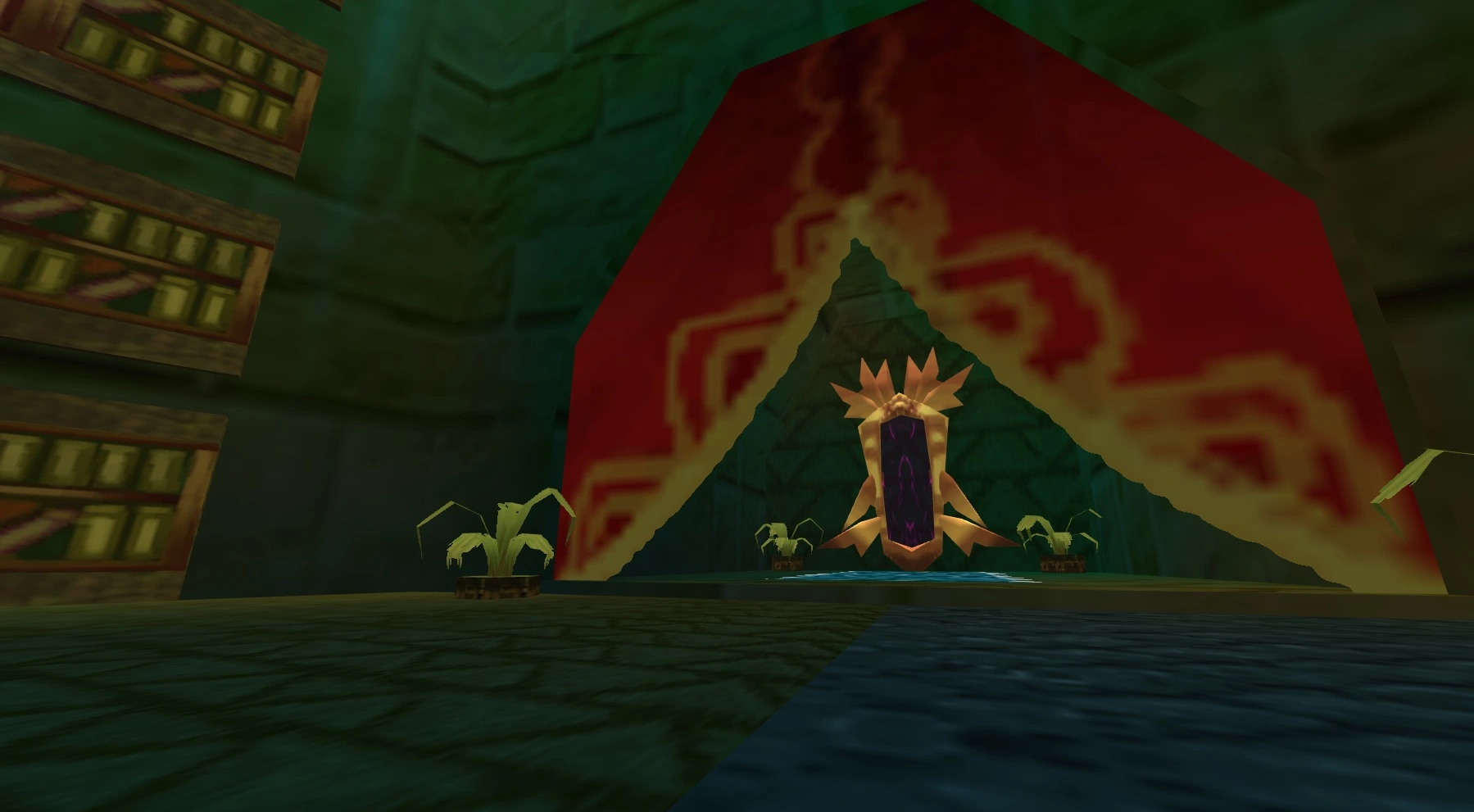
- Gaining access to the East Wing in Crescent Keep requires solving environmental puzzles and often involves unlocking special emotes that interact with the surroundings. Mastering these can be key to progression.
- Building an effective character in ATLYSS involves more than stats: selecting emotes that fit your character’s style can boost social presence. Experimentation with different emotes helps in roleplay and group dynamics.
- Comprehensive player guides cover the strategic use of emotes in ATLYSS, from subtle gestures to flamboyant dances. Emotes are not just cosmetic; they offer a language of their own in multiplayer settings.
- Costumes and cosmetics pair naturally with emotes, allowing players to create coherent visual themes. From casual attire to battle gear, these combinations enhance storytelling and player expression.
- Here is a selection of common emote commands used in ATLYSS. Each command, typed after a slash ( / ) in chat, triggers your character to perform an animation representative of the action. /sit : Sit your character down. /sit2 : An alternate sitting animation variant. /taunt : Perform a taunting gesture. /shrug : Express uncertainty or indifference. /clap : Applaud or show approval. /think : Assume a thinking pose. /ponder : Display deep thought, subtly distinct from /think. /dance : Initiate a dance routine. /point : Point at a specific direction or object. /nod : Nod affirmatively.
- While many emotes share core animations across different races in ATLYSS, subtle variations can distinguish each species’ expression. These nuances help players maintain character identity even in common gestures.
In ATLYSS, emoting offers players a dynamic way to bring their characters to life through chat commands. Simply prefixing an emote name with a slash (/) triggers a wide array of animations, essential for roleplaying or communicating silently in the bustling world. It’s a feature that enriches social interaction and lets you embody your character’s personality visually.

Players can find various costume sets scattered throughout ATLYSS, each adding flair and personal style to their avatars. Tracking down these outfits is rewarding and often complements the emotive animations, allowing you to fully customize your character’s presence.

The main questline in ATLYSS guides you through the core narrative, but interspersing emotive pauses lets you engage more deeply with the stories and other players. Timing emotes during key story moments amplifies immersion.
As you battle foes in ATLYSS, keep an eye on loot drops, which often yield costume pieces and occasionally unique emote unlocks. These collectibles enhance your emote repertoire and character aesthetic.

The labyrinthine catacombs of ATLYSS hide secret rooms where rare emotes and costumes may be discovered. Exploring these hidden spaces can reward emotive players seeking unique animations to stand out.

Gaining access to the East Wing in Crescent Keep requires solving environmental puzzles and often involves unlocking special emotes that interact with the surroundings. Mastering these can be key to progression.
Building an effective character in ATLYSS involves more than stats: selecting emotes that fit your character’s style can boost social presence. Experimentation with different emotes helps in roleplay and group dynamics.
Comprehensive player guides cover the strategic use of emotes in ATLYSS, from subtle gestures to flamboyant dances. Emotes are not just cosmetic; they offer a language of their own in multiplayer settings.

Costumes and cosmetics pair naturally with emotes, allowing players to create coherent visual themes. From casual attire to battle gear, these combinations enhance storytelling and player expression.
Here is a selection of common emote commands used in ATLYSS. Each command, typed after a slash ( / ) in chat, triggers your character to perform an animation representative of the action. /sit : Sit your character down. /sit2 : An alternate sitting animation variant. /taunt : Perform a taunting gesture. /shrug : Express uncertainty or indifference. /clap : Applaud or show approval. /think : Assume a thinking pose. /ponder : Display deep thought, subtly distinct from /think. /dance : Initiate a dance routine. /point : Point at a specific direction or object. /nod : Nod affirmatively.
- /sit: Sit down
- /sit2: Alternate sit animation
- /taunt: Taunt
- /shrug: Shrug
- /clap: Clap
- /think: Think
- /ponder: Deep thought
- /dance: Dance
- /point: Point
- /nod: Nod
To view the complete list of available emotes, enter the command /emotes in chat. The list will display briefly and then disappear after another message is sent, helping you recall more options on the fly without cluttering your chat window.
While many emotes share core animations across different races in ATLYSS, subtle variations can distinguish each species’ expression. These nuances help players maintain character identity even in common gestures.
Several emotes have notable animation parallels:
- /sit and /sit2 offer similar sitting motions but differ in style.
- /ponder and /think both convey contemplation, though with uniquely staged poses.
- /sit and /sit2 share a similar sitting animation.
- /ponder and /think have similar thinking animations.
The Changs, a mouse-like race, possess a distinctive /sit2 animation where they recline on their belly, an animation not shared by other races. This adds flavor to their in-game demeanor and stands out in social settings.
Emotes like /dance and /sit adapt their animations to fit the player’s chosen race, giving each character a personalized rhythm and posture. These tailored motions make expressive gameplay feel more immersive and authentic.