


- How to Cure Animals from Parasites in Zoochosis
- Locker Code Locations
- Cures for Infected Animals in Zoochosis
- How to Get Infinite Chemical Reagents in Zoochosis
- Zoochosis Guide
- Your First Enclosure
- Step 1: Prepare Your Food
- Step 2: Pick Up the Phone
- Step 3: Get to Work
- Step 4: Analyze Your Samples
- Step 5: Prepare for Mutants
- Step 6: Collect Supplies
- Step 7: The Battle
- Step 8: Finishing Up
- Subsequent Enclosures
In Zoochosis, the stakes rise quickly as you tend to animals that might be harboring mysterious illnesses. This makes learning how to cure sick and mutant creatures essential, especially when the usual animal care routine is suddenly interrupted by hazardous infections and unexpected mutations. Handling these threats early can transform a tense animal rescue into a satisfying challenge of veterinary skill and resource management.
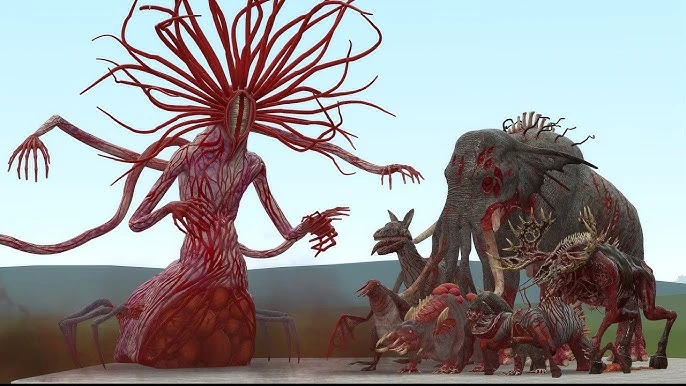
How to Cure Animals from Parasites in Zoochosis
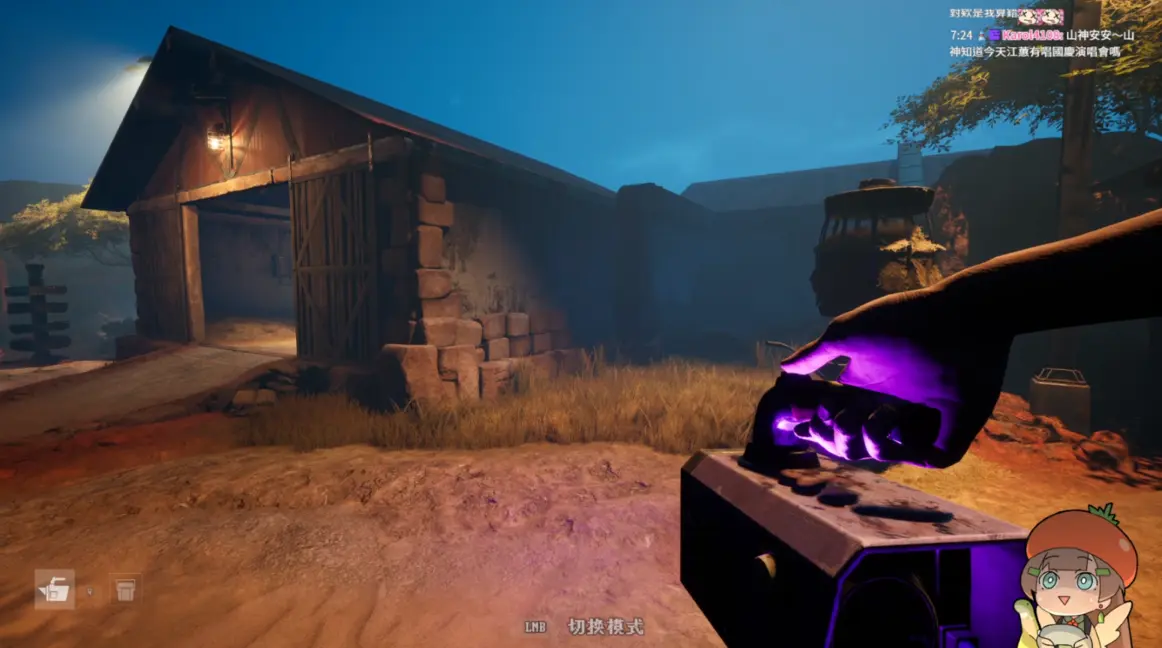
Locker Code Locations

Cures for Infected Animals in Zoochosis
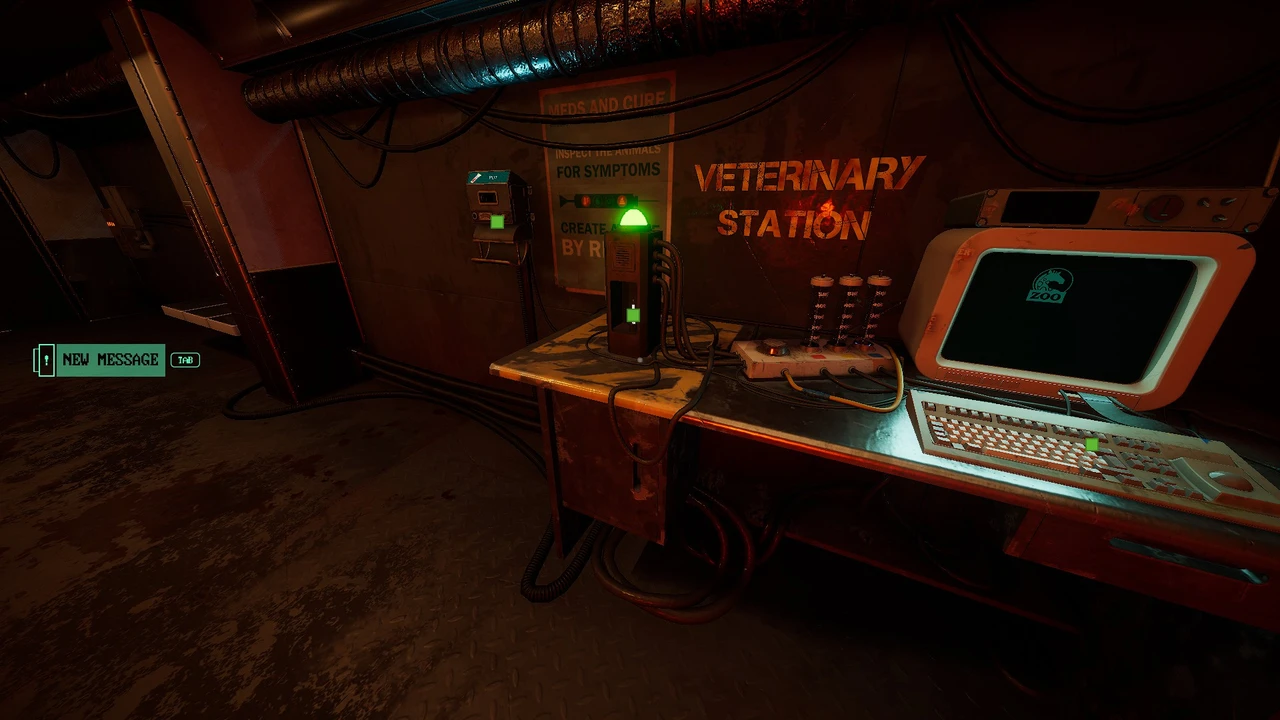
How to Get Infinite Chemical Reagents in Zoochosis
Zoochosis Guide
Zoochosis immerses you in the role of an animal caretaker dealing with both routine feeding and more intense medical emergencies. Much like in some narrative-driven horror titles, the game ramps up the tension when mutant animals start appearing. Early on, you’ll be tasked with monitoring signs of illness and administering treatments to keep your enclosures safe — but without the right preparation, the job can quickly become overwhelming.
Your First Enclosure
Beginning your adventure in Zoochosis means overcoming limited supplies and tight time constraints. The key to success lies in a careful, methodical approach that maximizes the time you have in each animal enclosure before symptoms escalate.
Step 1: Prepare Your Food
Start by preparing the animals’ food in advance. You only get one initial inspection to assess the health of the enclosure’s inhabitants, so it’s critical to handle as much as possible before you step into their area. Prepping food ahead of time helps prevent delays and keeps your workflow efficient.
Step 2: Pick Up the Phone
When the phone rings, don’t ignore it — answering leads to a crucial locker code that grants access to additional supplies. These resources will be vital for treating sick or mutant animals.
Step 3: Get to Work
Push your cart into the enclosure for the investigation phase. Thoroughly check each animal’s temperature and observe their reaction to sound. Feed the animals and collect droppings, all while attempting to obtain blood samples. Some creatures may resist at first, so patience is key.
Step 4: Analyze Your Samples
After collecting samples, retreat to your train base to analyze them. Not every animal will show symptoms, but shared signs among multiple animals typically point to the same illness, guiding your next steps.
Step 5: Prepare for Mutants
Be prepared for mutant animal appearances on the way back to the enclosure. Rather than engaging immediately, return to the train to gather more supplies and properly equip yourself for this new threat.
Step 6: Collect Supplies
Stock up on relevant items near the area where your wife waits. Craft tranquilizers to assist in safely collecting blood from animals, especially mutants, which can be harder to manage.
Step 7: The Battle
Use tranquilizers first on a regular animal to collect blood necessary for vaccine creation. Then, tackle the mutant by using sedatives to slow it down, giving you precious moments to administer treatment. Each vaccine you craft provides three darts for curing the mutant, so accuracy is important.
Step 8: Finishing Up
Once the mutant is treated, you can safely shuttle between the train and enclosure. Continue administering vaccines to sick animals as needed to keep the entire enclosure stable.
Subsequent Enclosures
Later enclosures introduce more complex challenges, like mutant behavior management. Incorporate meat into your animals’ diets to calm mutants while you prepare treatments, and routinely check your supplies so you’re never caught off guard as you progress.
- Use meat in the animal’s food to help keep mutants calm while you prepare.
- Always check the supplies after finishing each enclosure to ensure you have everything you need for the next one.
Extra Tips:
Keep in mind that infected animals can mutate suddenly within enclosures, heightening risk. Special food can act as a diagnostic tool—if a gorilla, for example, remains healthy after eating it, this likely indicates it isn’t infected. Staying observant can mean the difference between containment and catastrophe.